SeaFocus - scuba diving reviews, images and information

SEA SHELLS

Underwater photography: images of sea shells taken while scuba diving
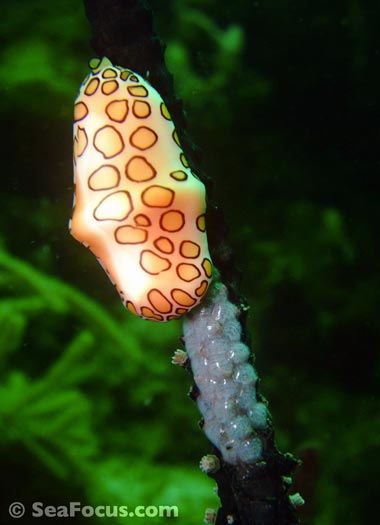
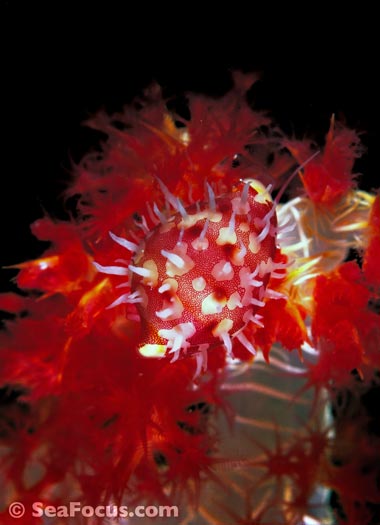
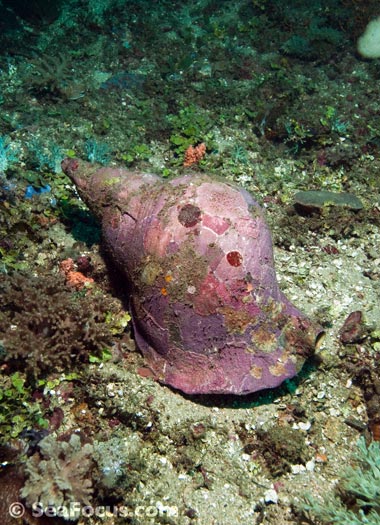
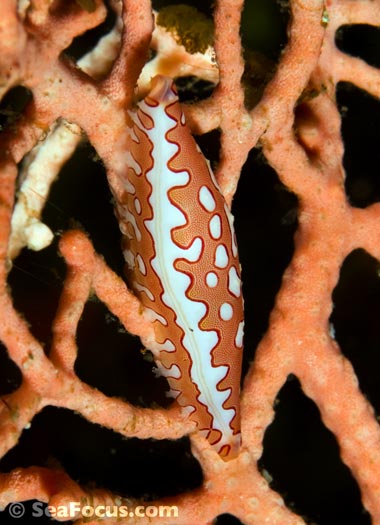
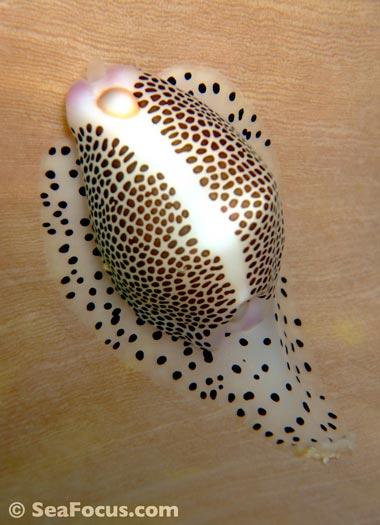
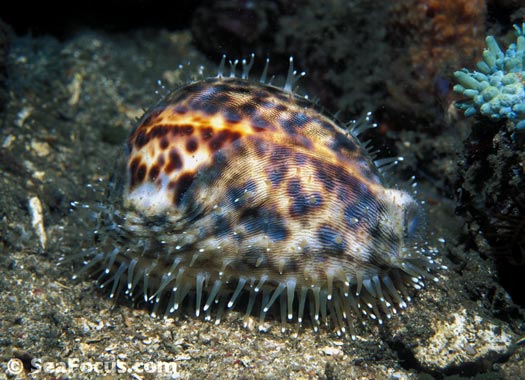
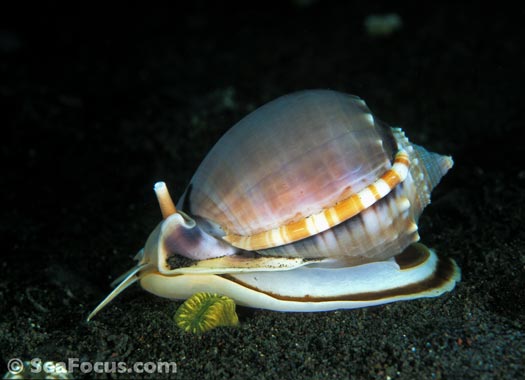
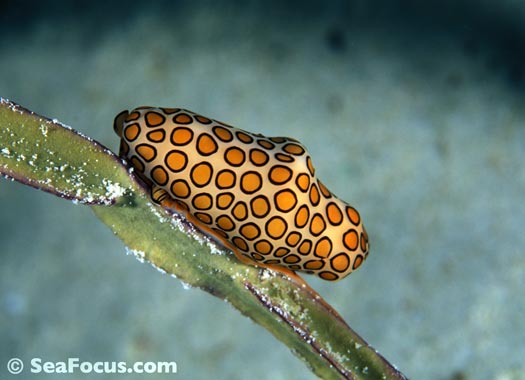
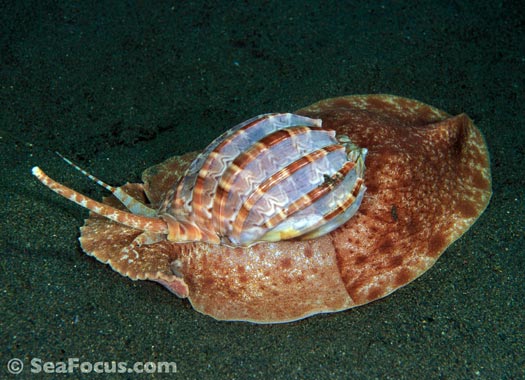
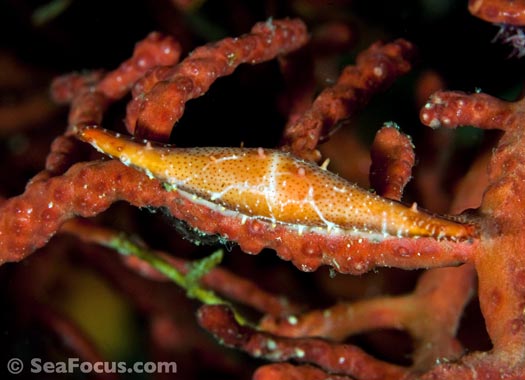
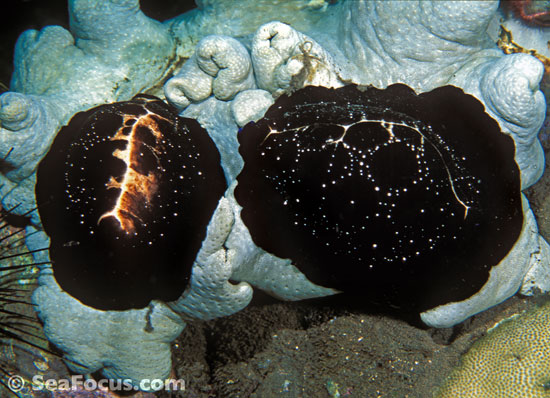
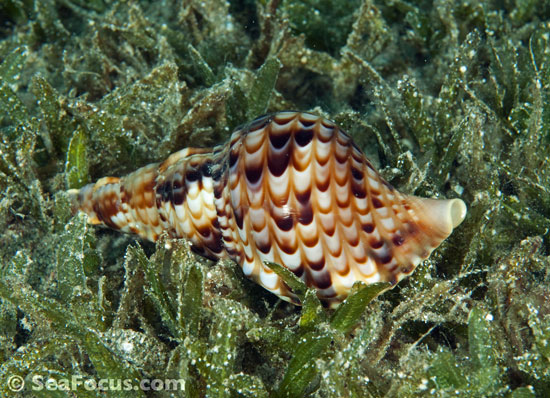
Cowries | Flamingo tongue | Spotted cyphoma | Allied cowries | Giant triton

Shell image gallery...

All about shells...

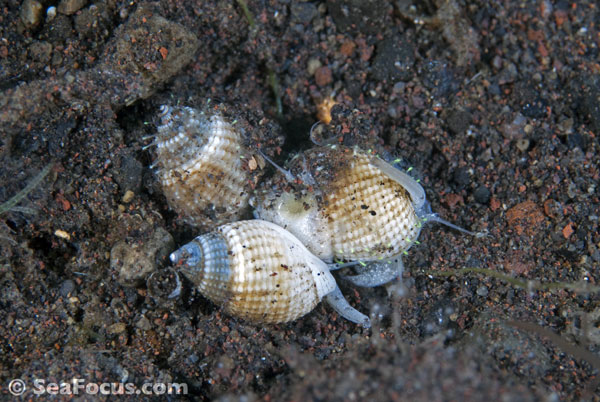
Conchology refers to the study of mollusc shells and includes the study of land and freshwater mollusc shells as well as seashells. Species covered by these studies are wide ranging but mostly cover the four molluscan orders: gastropods (snails), bivalves (clams), Polyplacophora (chitons) and Scaphopoda (tusk shells).

In reality, this will be a long way from "all about" shells as this commonly used term encompasses well in excess of 100,000 species. Look at the variety of shells that can be collected while beachcombing and it's clear that there is little that links most of these marine creatures. What connects them here is simply that these are ones we have seen diving.

The word shell mostly refers to the hard, protective outer layer created by a marine animal and is most often used to mean the shells of marine molluscs. It is also used to refer the shells of a wide variety of other marine animals from invertebrate phyla, like moulted shells of crabs and lobsters, the shells of barnacles and clams to the endoskeletons of sea urchins, sand dollars and seastars.

A note on shell collecting for divers: never buy a shell from a commercial outlet as it's extremely likely that the creature that lived in it was killed. Collecting old shells while beahcombing is acceptable as long as you are very sure there is nothing alive in it – and shells found in the tidal zone are very often still alive. Marine creatures also recycle shells - spend time on a beach and watch hermit crabs swap from one to another.

Some shells are also protected (e.g. turtle shell) and some countries forbid their export.

Shell encounters...

Cowrie multi-tasking

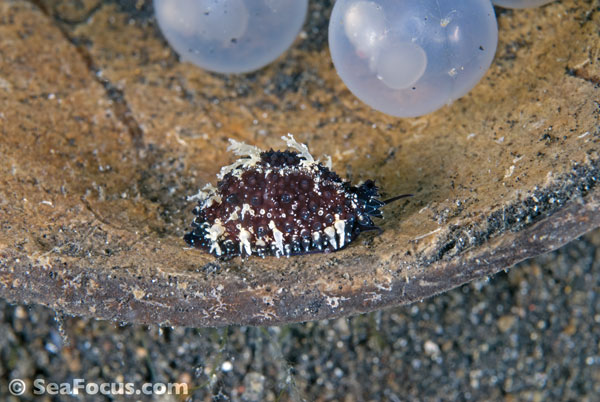
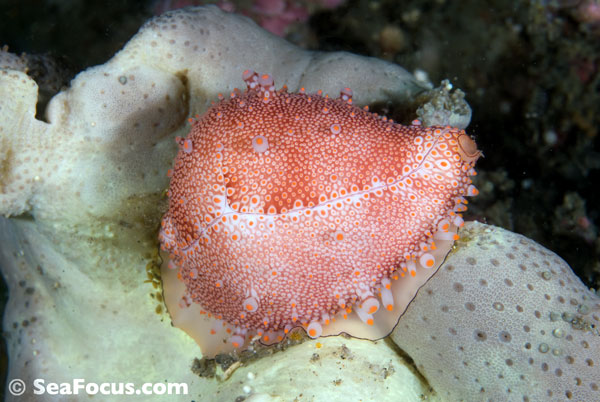
Cowries have long been pilfered from the oceans, their beautiful, porcelain-like shells having made them a target for other uses. In fact, the term 'porcelain' actually comes from an Italian name for the cowrie, porcellana, due to the similar look.

Across the centuries, cowries have been used in board games, in divination and sometimes as a badge of rank. Many cultures used them as currency – Ghanaian currency (cedi) was named after them – while 3,000 years ago they were used as Chinese money. The classical Chinese character for money was a stylized drawing of a cowrie shell. They are still worn as jewellery or charms and are viewed as symbols of womanhood and fertility due to the appearance of their underside.

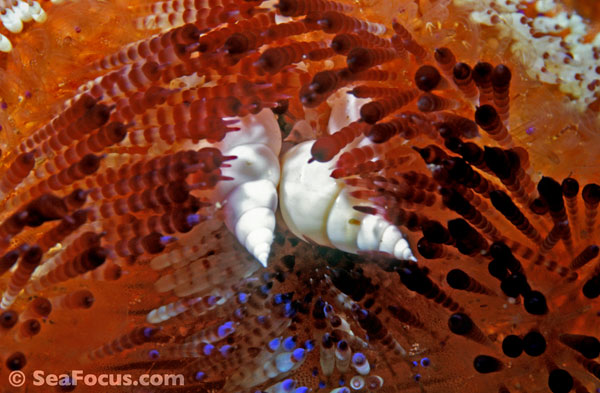
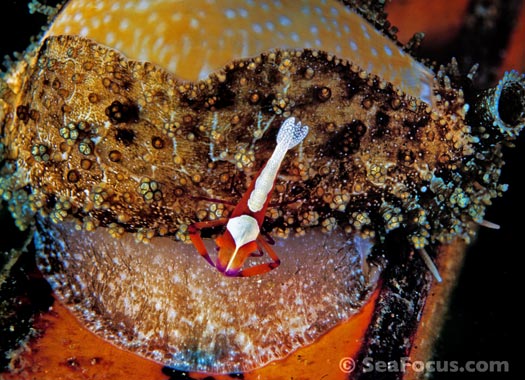
Cowrie shell - Erosaria labrolineata
This cowrie, Erosaria labrolineata, is living life as was intended, and merely being transport for a hitchhiking Imperial shrimp.

SPECIES NAMES | Many fish can be hard to identify as they are so similar. Common names vary and even the scientists disagree on what is what. If you can help name anything we can't, please get in touch.

ORDER | Images on this page are available as prints. Take a note of the name then go to the photo order form...

SEARCH SeaFocus | Looking for something on this site? Type in a few words and google will take you there...
Where do you want to go diving?
dive
Australia | dive Belize | | dive dive Borneo | Egypt | dive Fiji | dive Galápagos | dive Grenada | dive Honduras | dive Indonesia
| dive Jordan | dive Kenya | dive Malaysia | dive Maldives | dive Mexico | dive Micronesia | dive Mozambique | dive Oman | dive Palau | dive Papua New Guinea | dive Philippines | dive Solomons | dive Tanzania | dive Thailand | dive West Papua
SeaFocus | scuba diving destination reviews • dive travel • resort and liveaboard reports | Underwater photography • diving photo galleries • scuba diving pictures • diving videos • marine species images and information | Dive travel guide books art prints custom made calendars |Dive travel advice | About SeaFocus | Links | Contact us | All work on this site is under copyright to SeaFocus | Sitemap