Order: Lepidoptera Class: Insecta Phylum: Arthropoda Kingdom: Animalia
The butterfly family consists of true butterflies (superfamily Papilionoidea), the skippers (superfamily Hesperioidea) and moth-butterflies (superfamily Hedyloidea). There are many other families in the Lepidoptera order but these are moths.
Butterflies are without doubt, one of the rare members of the insect family that are actually loved by almost everyone – they don't sting and don't bite and generally just flutter about looking gorgeous. Of course, they are also amazingly clever creatures with one of the most incredible life cycles in nature.
Each butterfly goes through a four-stage cycle: it all starts with the egg, a miniscule affair that is hardly seen by humans. Laid on the bottom of a leaf, fertilized then glued into place, the egg grows for a few weeks before developing into a caterpillar that is big enough to chew its way out. Once it has emerged it continues with the munching stage, first consuming the leaf it was born on then devastating many more leaves on its host bush. As it continues to grow, it sheds its skin several times before eventually reaching the stage where it can start to change into a chrysalis. Inside this, the old body parts of the caterpillar are changing and developing into those that make up the butterfly. This metamorphosis ensures that the tissue, limbs and organs of the caterpillar have become the new organs needed for the final stage of the butterfly’s life cycle. Before the butterfly finally emerges from the chrysalis, both wings are soft and folded tightly against its body but as it emerges from the chrysalis, it slowly pumps blood into it's wings and they unfold to reveal a beautiful insect. It can takes a few hours before they are ready to fly and during that short time they are highly vulnerable to predators.
In the fourth and final stage of their life cycle, adult butterflies are constantly on the look out to reproduce. The female will lay her eggs on the same type of leaves she was born on and the life cycle will start all over again.
Butterfly
image gallery
click any image to enlarge
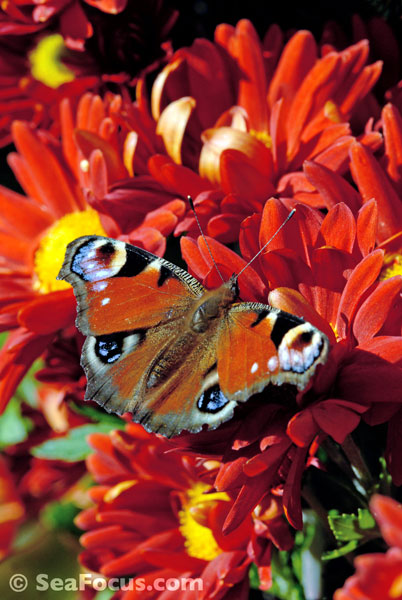
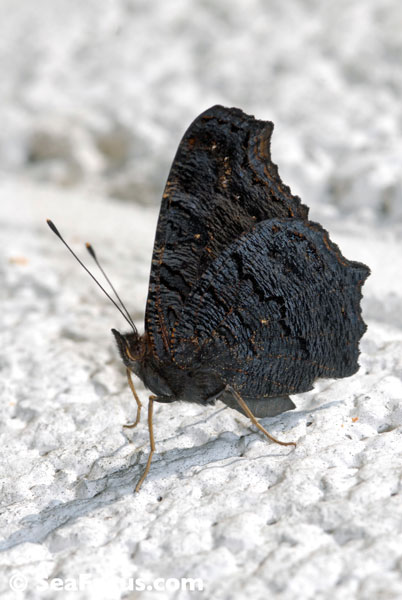
Peacock
Peacock, back
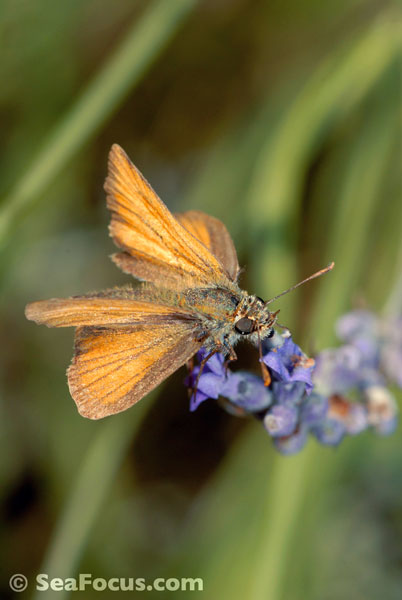
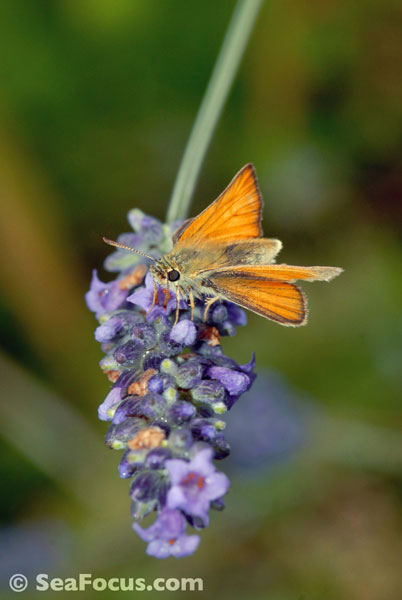
Small Skipper
Small Skipper
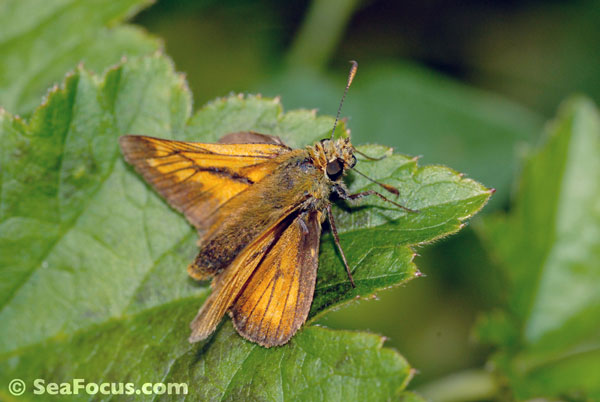
Large Skipper
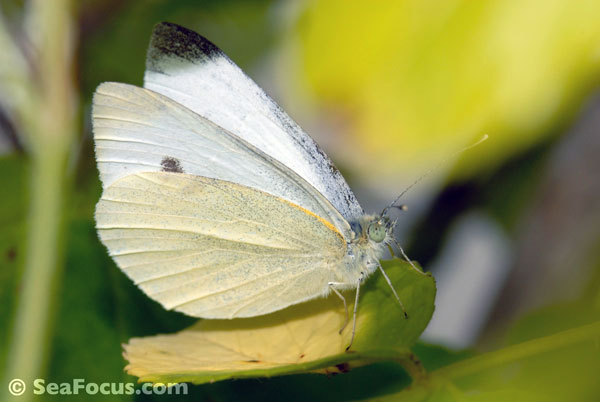
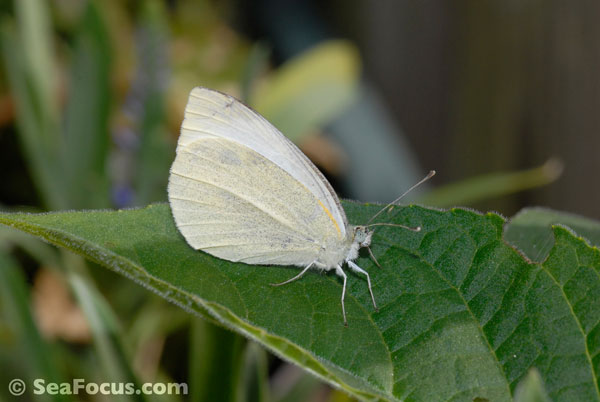
Small white, back
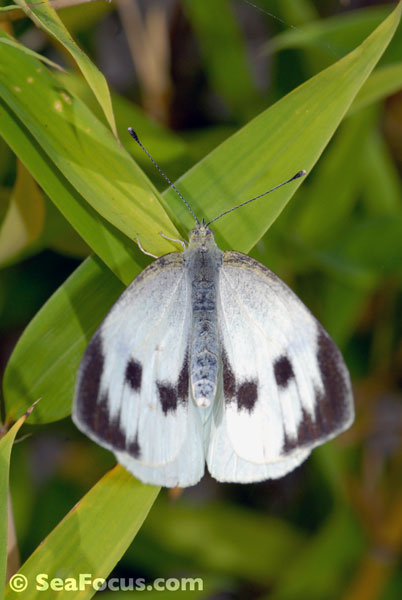
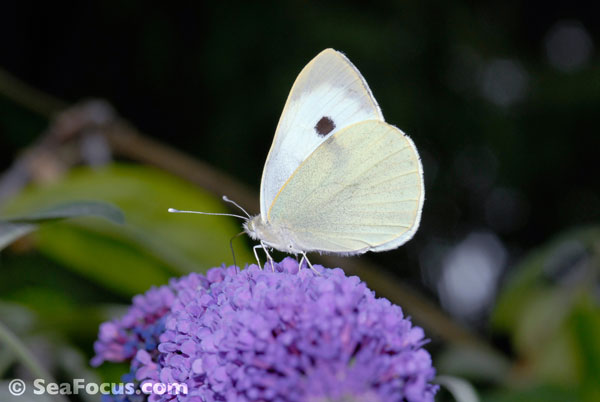
Large white
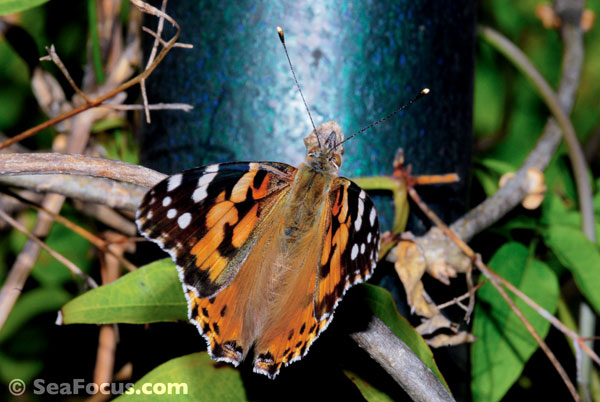
Painted Lady
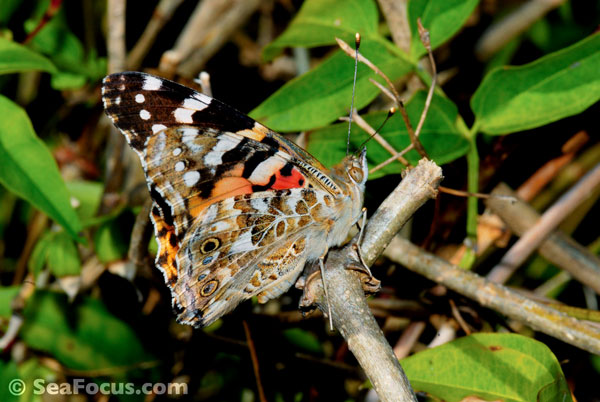
Painted Lady, back
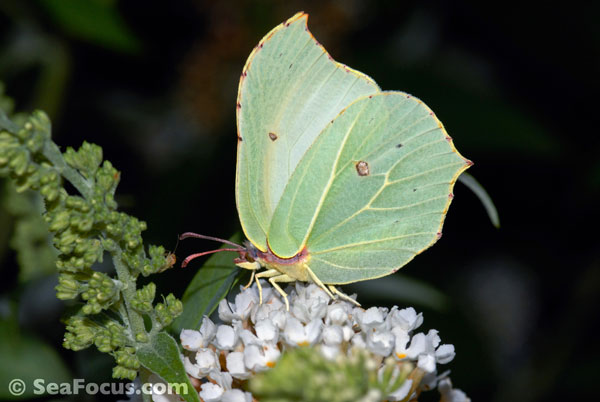
Brimstone
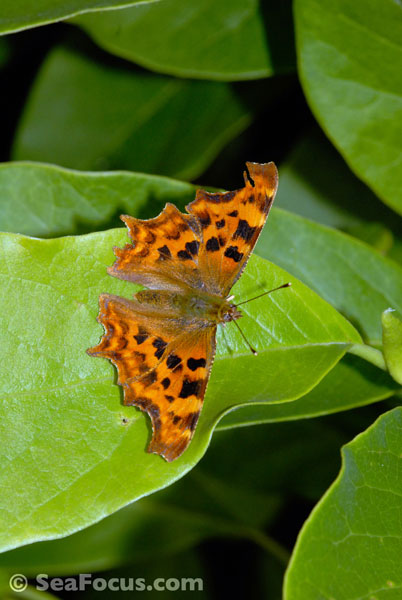
Comma
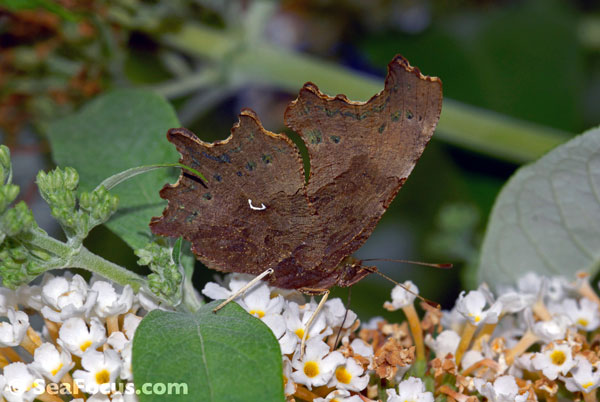
Comma, back
Large White
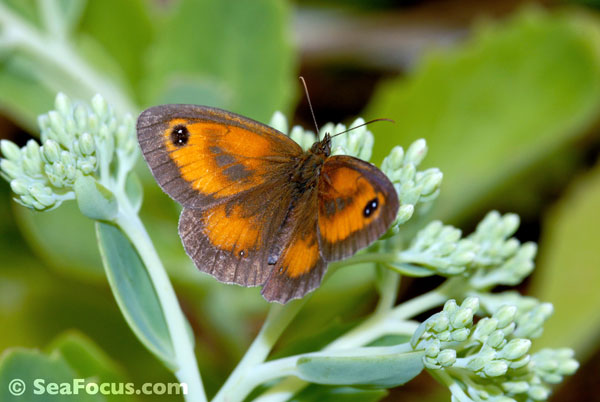
Gatekeeper
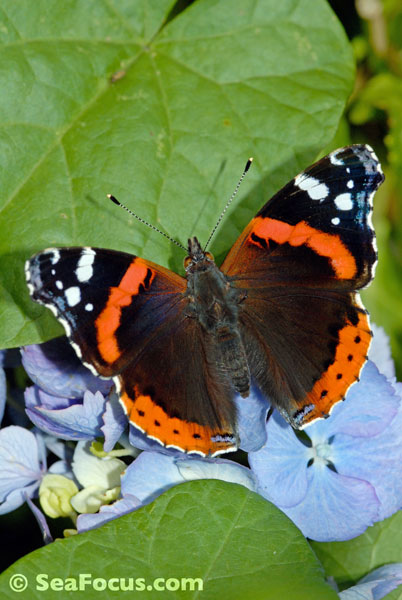
Red Admiral
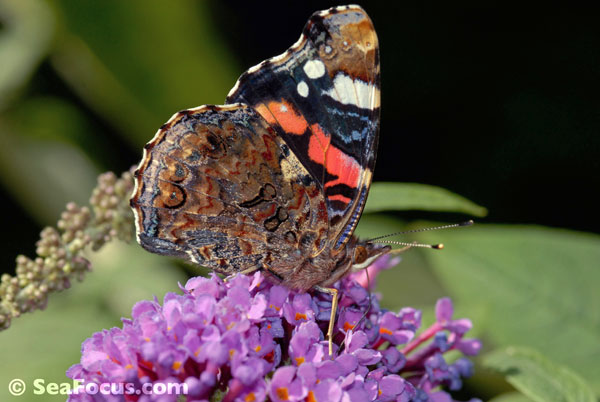
Red Admiral, back
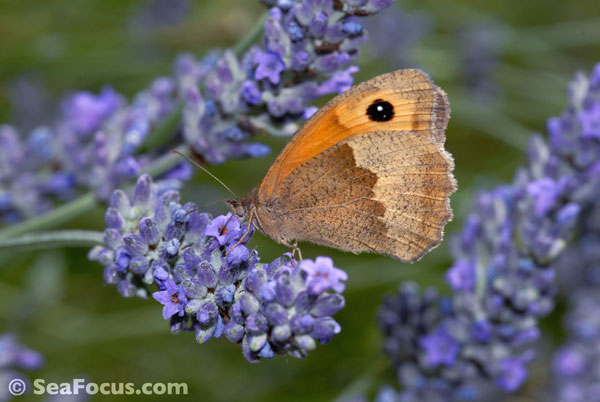
Meadow Brown
Wood white (endangered)
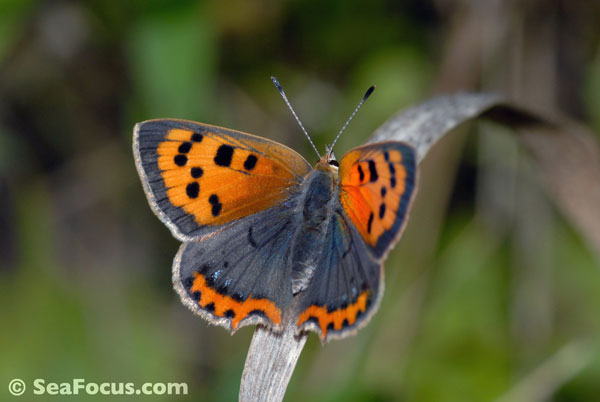
Small Copper
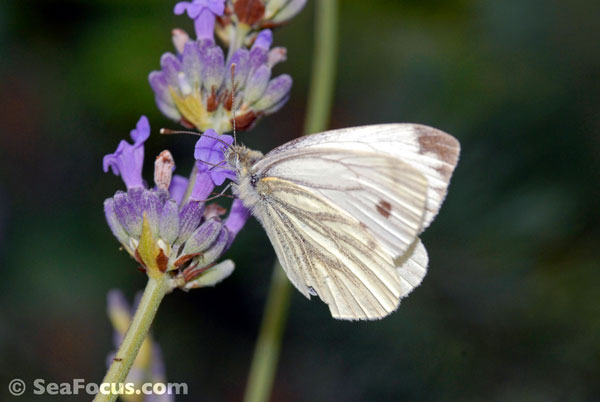
Green-veined white
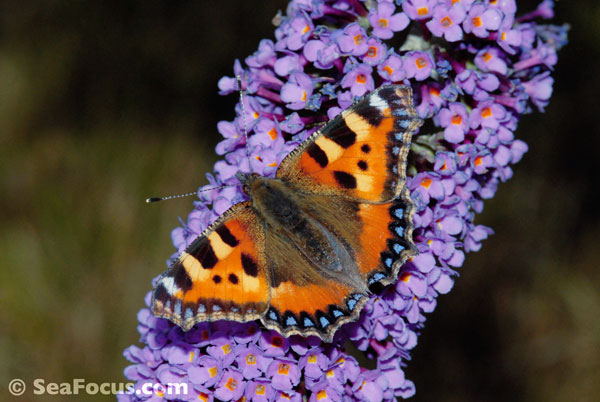
Small Tortoiseshell
Many butterflies are threatened or endangered as their habitats are at risk.
Butterfly encounters
LOCATION:
London, UK
SPECIES:
Euplagia quadripunctaria
COMMON NAME:
The Jersey Tiger Moth
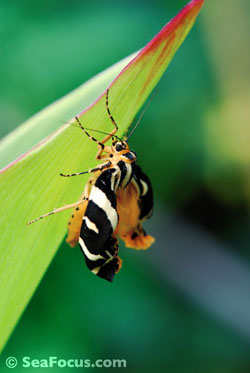
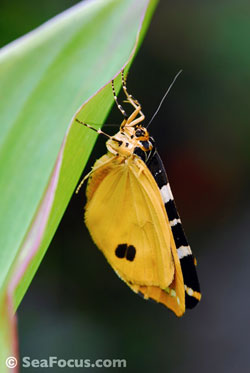
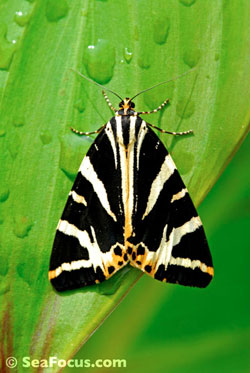
The Jersey Tiger Moth is a truly beautiful creature and anyone could be forgiven for thinking it was a butterfly. Not only is it fantastically coloured and patterned but it flies during the day. The adult Jersey Tiger moth is about 50mm wide and they are seen from July to September, depending on the location. Aside from being frequent in the Channel Islands (hence the common name), these species were rarely seen in the Britain a century ago. However, they are now being noted in the south of England, especially in the Isle of Wight, northern Kent, and south London. In fact, they have been seen in growing numbers in London since 2004, so it is thought that they have established a breeding colony. As seen here, they were definitely breeding in our garden in south east London.
The Tiger moth as it emerges from its chrysalis | The wings out and drying | Ready to fly
SPECIES NAMES | Many species can be hard to identify as they are so similar. Common names vary and even scientists disagree on what is what. If you can name anything we can't, please get in touch.
ORDER | Images on this page are available to buy as prints. Take a note of the name then go to the
photo order form...
SEARCH SeaFocus | Looking for something on this site? Type in a few words below and google will take you there...