|
Diving the Yucatán
The Yucatán coast and cenotes | Mexico
|
|
|
|
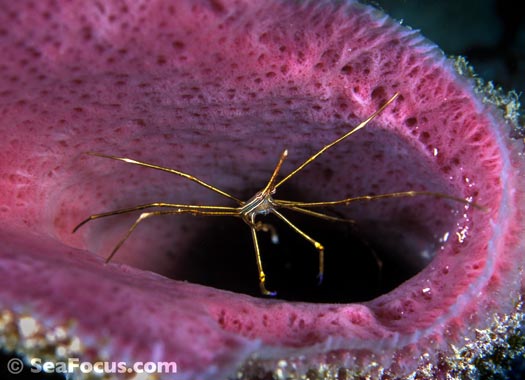
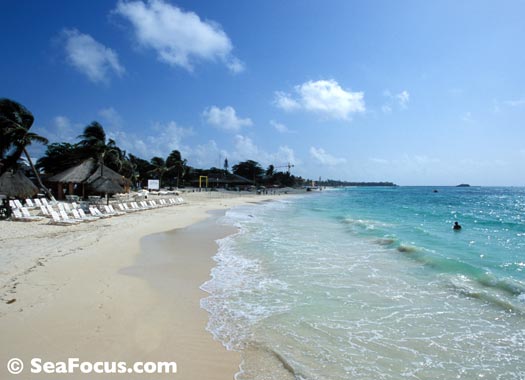
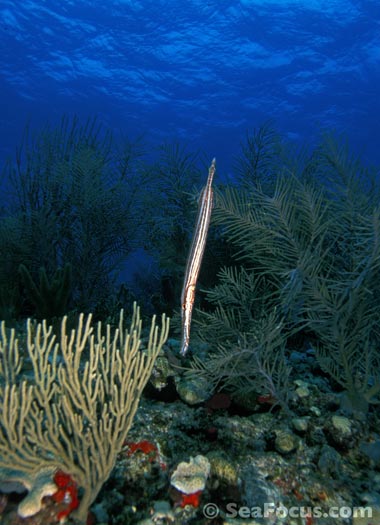
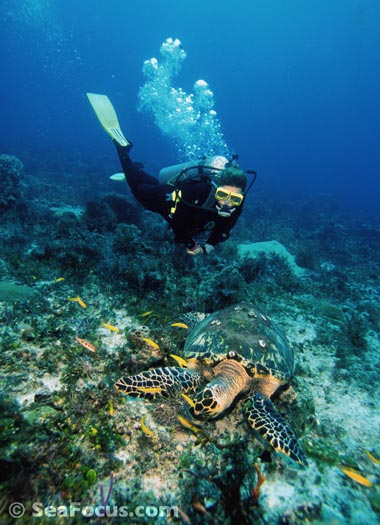
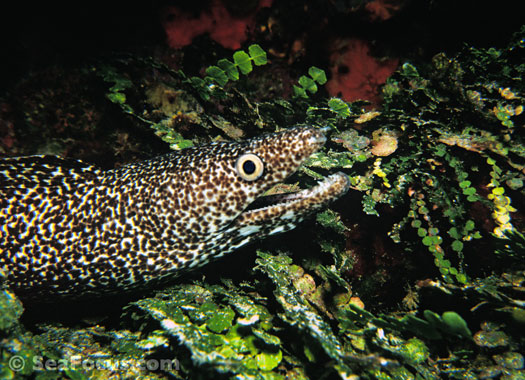
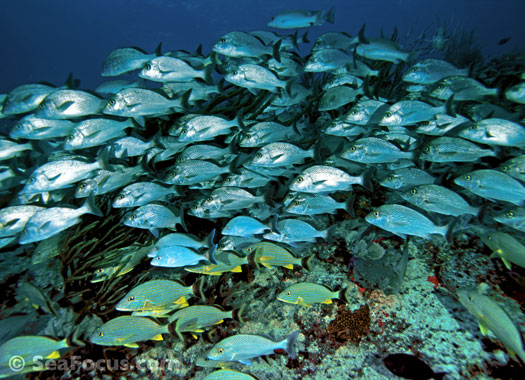
Diving around Mexico's Yucatán Peninsula starts on the beautiful, white sand beaches. Just offshore, near Playa del Carmen, the coastal underwater topography is mostly flat with the reefs shaped by rushing currents. These attract schooling fish like snapper and grunts along with gangs of huge tarpon. Shallow, patch reefs are good places to hunt for critters including shrimp and arrow crabs, pufferfish and morays.
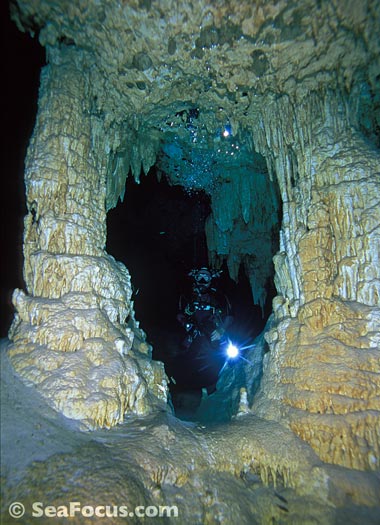
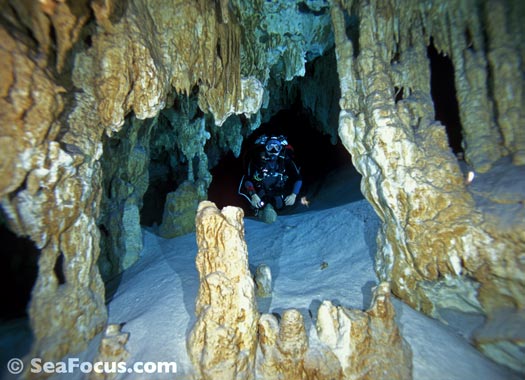
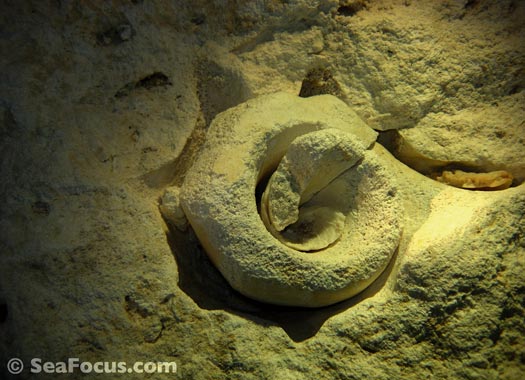
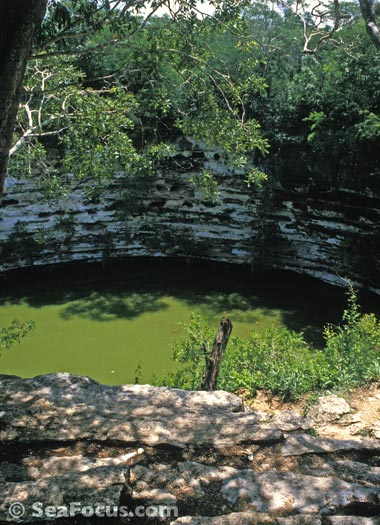
About halfway down the coast, there is a novel and exciting scuba diving experience – the freshwater cenotes (say-NO-tays). The Yucatán is a limestone platform several millions years old. Geological forces carved an extensive series of underground rivers and caverns through it then, after the last ice age, ocean levels rose and seawater filled the passages that led in from the coast, eventually meeting those flooded with freshwater.
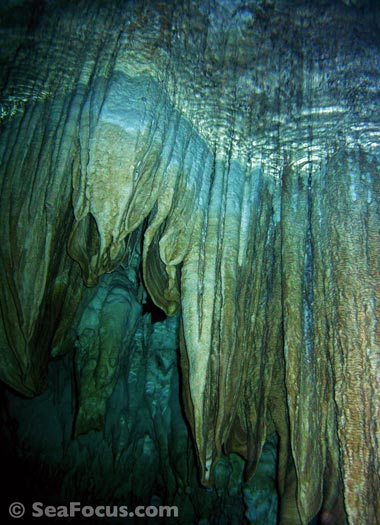
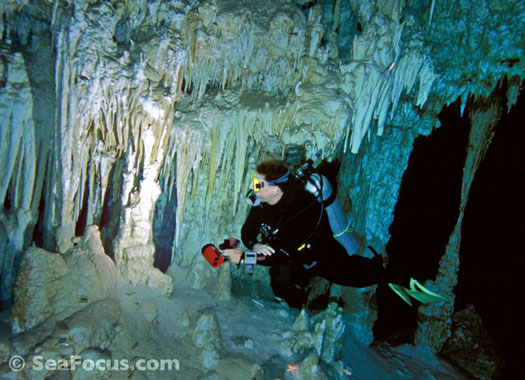
What looks like a lake on land is often the disguised entry to an incredible system of caverns, many full of stalactites and stalagmites. The ancient Mayans believed the underworld gods lived in these waterways and people were sacrificed to appease them. Now, it's just divers that enter these crystal clear underwater systems.
|
|
|
|
|
|
|
| INFORMATION |
| Marine Life |
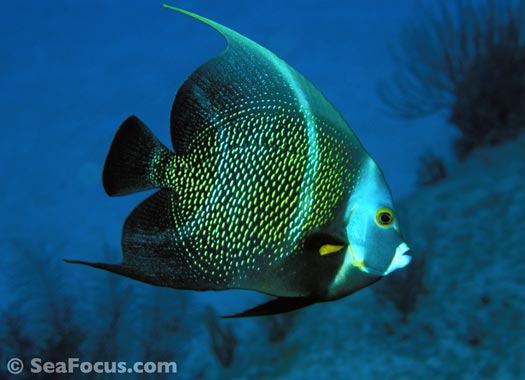
Angelfish
Turtles
Tarpon |
| Top dive site |
The Cenotes |
| Seasons |
All year round |
| Visibility |
10 – 40 metres |
| Water temperature |
25 – 30º C |
| Deco chambers |
Playa del Carmen |
| Flights |
via Miami or Houston to Cancun |
| Dive operators & accommodation |
there are a huge number of dive operations (and just as many hotels). Take your time and research options.
|
|
|
|
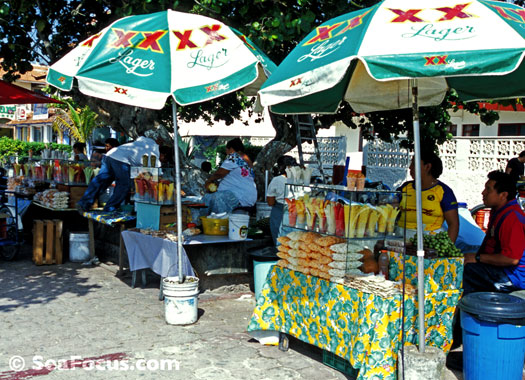
| PROS and CONS – The village of Playa del Carmen is a good base for scuba divers heading to the Yucatán. Once a tiny fishing village, it is now a major resort area but at least has far more character than the modern complex hotels that sprawl from the city of Cancun and down the coast. There is little of the real Mexico left outside Playa – the town is quite cosmopolitan and lively but still feels a little traditional.
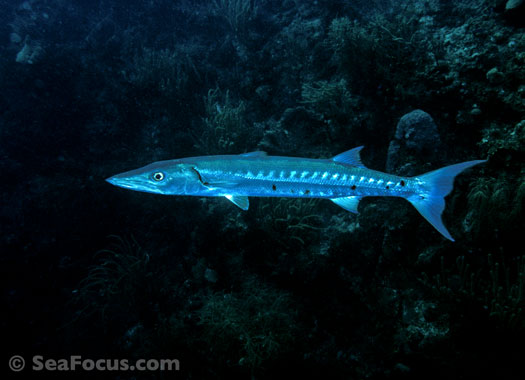
SCUBA DIVING – The marine life can be interesting at times with plenty of fish but seeing other creatures can be a bit hit-and-miss. There are turtles and occasional nurse sharks but some people may find the variety lacking. The excitement of diving in the cenotes makes up for that though. Cenote dives vary from ones for experienced cave divers to some that are extremely shallow and easy. There are guide ropes and at times daylight floods in from fissures in the earth above or secondary cenotes along a river. Most fascinating is when you pass through a halocline – where salt water sits over fresh.
OPINION – Much of the Yucatán Peninsula has lost its Mexican flavour through heavy tourism development. Cancun city, where the airport is located, is awful. Or is it? If you like shopping and nightclubs, it may be just right for you. Playa can be like that, but there are still parts of the town that are more laid back and as you can dive the cenotes, this area is well worth the trip.
|
|
|
|
|
|
 Complete reports on this area are in Complete reports on this area are in
Diving the World.
Order the book direct from SeaFocus here.
The digital edition is on iTunes. |
|
|
|
|
|